
About Emma Richards Psychologist

You’re here because you care deeply about your child
You’re doing everything you can to support them, and still trying to make sense of what’s really going on for them. Some days things run smoothly; on others, you feel like you’re tiptoeing around big feelings, avoiding the next explosion, or bracing for a moment that comes out of nowhere. You’ve been doing everything you can to support your child, and you’re still searching for something that actually fits your life, your child, your family.
That’s the kind of support I offer – helping families make sense of overwhelm and build support that fits.
What I help families do
I work alongside parents to explore support approaches that fit their family and everyday life.
Our neurodivergent kids each have their own mix of strengths, sensitivities, interests, and challenges. That’s why generic advice rarely lands, and why it can feel so isolating when the people around you don’t quite understand what daily life actually looks like.
Together, we make sense of all the pieces (the reports, the observations, the daily ups and downs), and turn them into something clear, practical, and human. We work together to clarify what matters most right now, explore ways of supporting your child through tricky moments, consider small, practical adjustments, and focus on support that fits your life.
Because real progress shows up in the in-between moments – the mornings, the transitions, the after-school unravelling, the small sparks of connection. Those everyday moments hold real opportunities for growth.
That’s where our kids learn, grow, and connect.
That’s where our work lives.

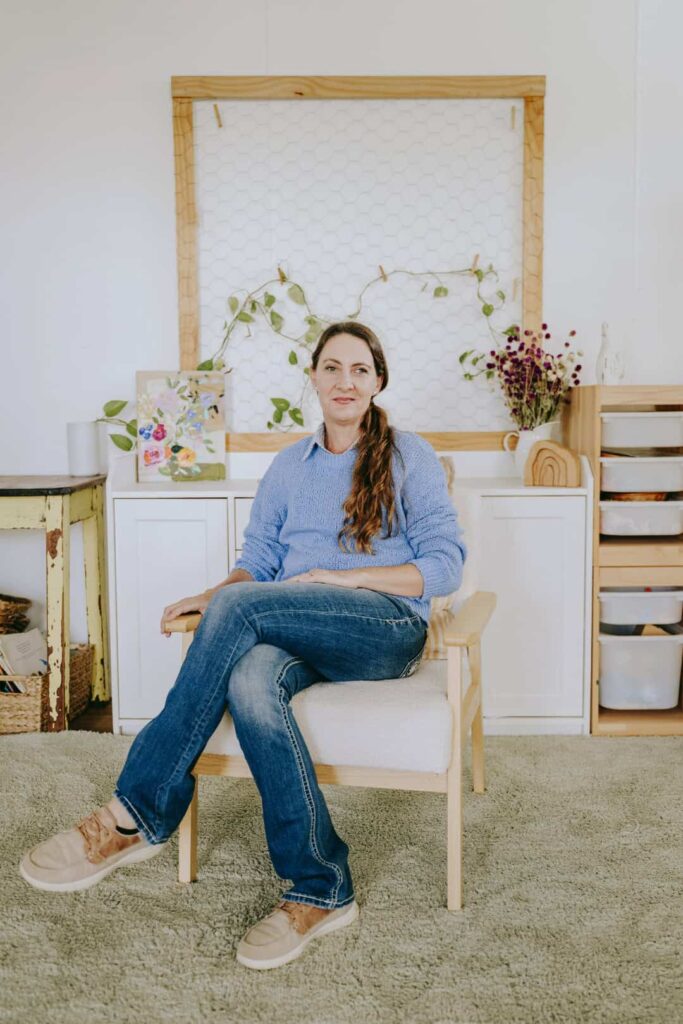
Hi, I’m Emma
I’m a psychologist and mum of three wonderfully neurodivergent kids. I bring the lens of a psychologist and the lived reality of a neurodivergent household to everything I do. My work bridges that gap, supporting parents to apply understanding in everyday ways that make sense for their family.
These are the principles at the heart of my work:
- Neurodiversity is Wonderful: We all have different brains, and that diversity is something to celebrate. Diversity in neurotypes is essential and valuable.
- Foundational Support is Key: To support children’s wellbeing and development, we often look at foundational areas such as sleep, nutrition, and attention regulation. These areas provide a solid base for developing skills in other areas.
- Learning Through Life: Natural learning opportunities, real-life experiences, and everyday moments offer children rich and meaningful chances to develop their skills.
- Empowering Parents: Supporting parents is an important part of how children are guided in everyday life. Parents play a crucial role in their child’s development, and my role is to guide and support you as you navigate everyday moments and your child’s needs.
- Respecting Every Family’s Story: Every family brings their own culture, values, identities, and stories. I’m committed to practising in a way that feels respectful, inclusive, and genuinely safe for your family, and I’m always open to learning what that looks like in your world. I also acknowledge the strengths and living cultures of Aboriginal and Torres Strait Islander peoples. All of this shapes the way I show up, listen, and support families.
- Guidance Grounded in Real Life: Research informs my work, but we always come back to what works in your home. We notice what’s changing and adjust together so the support fits your everyday life.
- Keeping Your Child at the Heart: My work is parent-focused, but your child’s needs, strengths, and everyday experiences guide every step we take. Kids deserve to be understood and considered, and parents deserve clear information and a collaborative space to work on support that genuinely fits everyday life. I help you bring your child’s perspective into our work, so what we create together reflects who they are and what helps them thrive.
These principles guide everything I do with families, and they all come together in the framework at the heart of my work. It’s built entirely around the reality of raising neurodivergent kids. I call it the Messy Moment Approach, and it’s how I help parents turn understanding into real-life support.

Meet the Messy Moment Approach
Children don’t grow emotionally and behaviourally through perfectly planned sessions, they grow in the mess. The spilled milk, the sibling fights, the bedtime meltdowns. That’s where everyday support around regulation and connection happens.
And parents? You’re not just doing your best — you’re already doing the work. This approach focuses on support that fits into everyday family life.
1. Real Life First
We begin with your world: your routines, your challenges, your values. The approach is built around what’s actually going on in your home, not someone else’s plan. Because when strategies are shaped by real life, they actually stick.
2. Taking the first step together
We focus on identifying next steps together, in a way that feels supportive for the whole family.
3. Big Picture Support with Solid Foundations
When you zoom out, everything starts to make more sense.
We take a whole-family, collaborative lens, because no one piece of the puzzle exists on its own. We look at what underpins wellbeing and regulation: sleep, sensory needs, nutrition, routines, environment. These basics often support learning, regulation, and development over time.
4. Moving Through the Mess
This part of the approach is woven together from what works, combining your lived experience, my professional insights, and your family’s unique strengths. It’s support that brings together the pieces, not just what’s happening in the moment, but what’s underneath it, around it, and after it.
5. Micro-Moments, Macro Impact
The little moments matter, as they’re where practice and learning often happen.
This work centres on everyday moments rather than big, one-off changes, on small, intentional actions repeated in everyday life. We focus on anchoring these moments so they don’t get lost in the rush — turning them into opportunities for learning, connection, and long-term change.
Because when you act with intention, even the smallest moments can shape something bigger.
This approach focuses on supporting families with:
- Practical support grounded in real life
- Tools that support the whole family — not just the child
- Support that aims to build clarity and confidence
- Ongoing practice grounded in everyday family life, in the moments that matter — not just talked about in sessions
- Support that offers a sense of direction, even when things feel messy
If that sounds like what you’ve been looking for, you’re in the right place.
Let’s start with what matters most to you.